THE PRESSURE WASHER FOR CLEANING MACHINERY
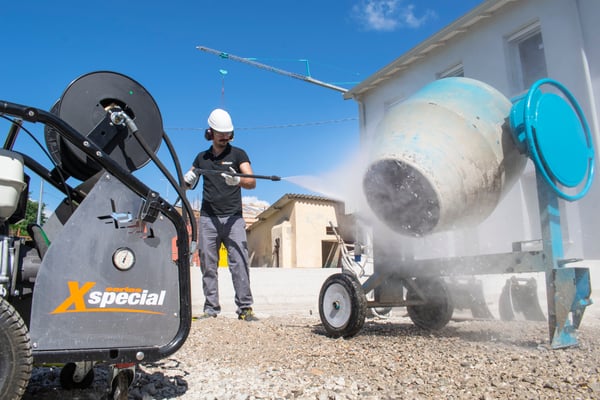
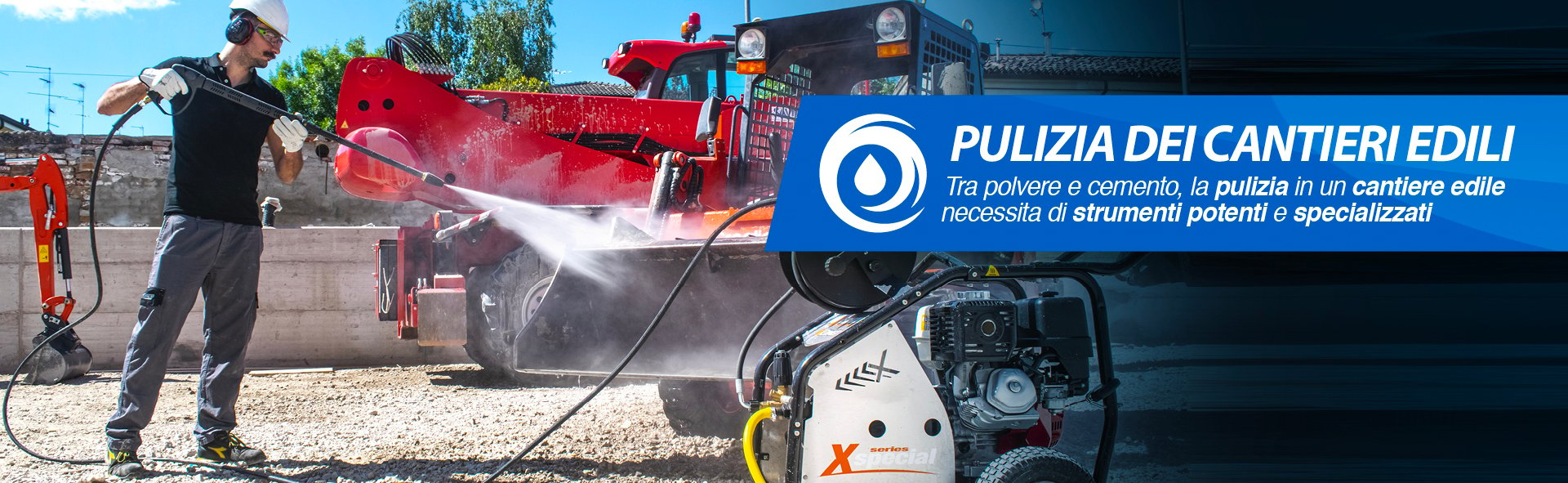
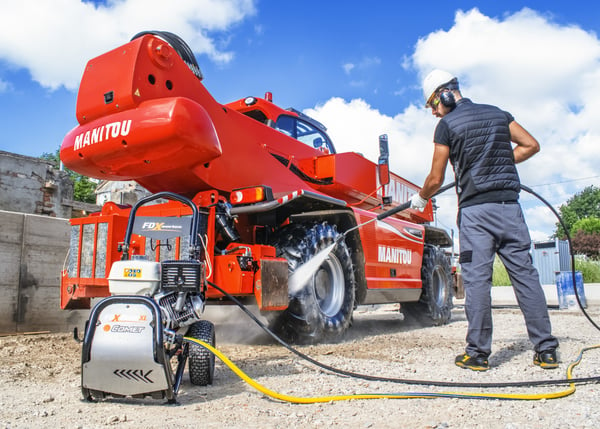
Tools, machinery, metal scaffolding and vehicles used in construction are literally attacked by the immense amount of dust and dirt in a construction site, and the lack of proper cleaning can significantly reduce functionality and increase wear and tear. For small and medium sized tools, elbow grease can be used, but it is clear that it is impossible to clean concrete mixers, bulldozers or earthmoving and transport equipment with a simple wet sponge.
That’s why a professional pressure washer becomes an essential investment to reduce time to be dedicated to cleaning, thanks to a wide range of accessories - lances, brushes and special nozzles - and the use of detergents and hot water that allow cleaning even the most stubborn dirt, such as grease and scale.

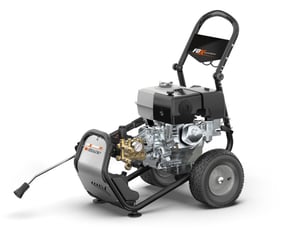


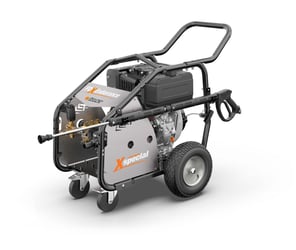

THE PRESSURE WASHER FOR CLEANING FACADES AND SURFACES
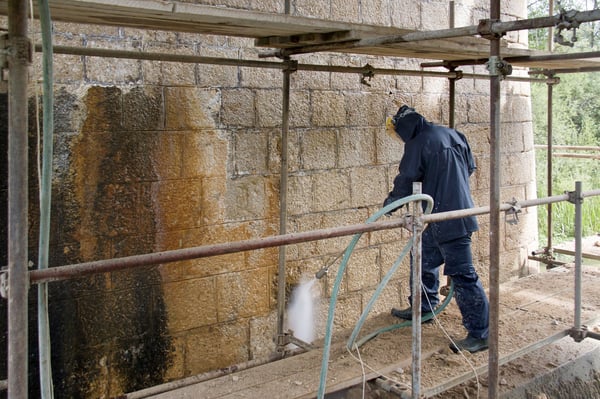
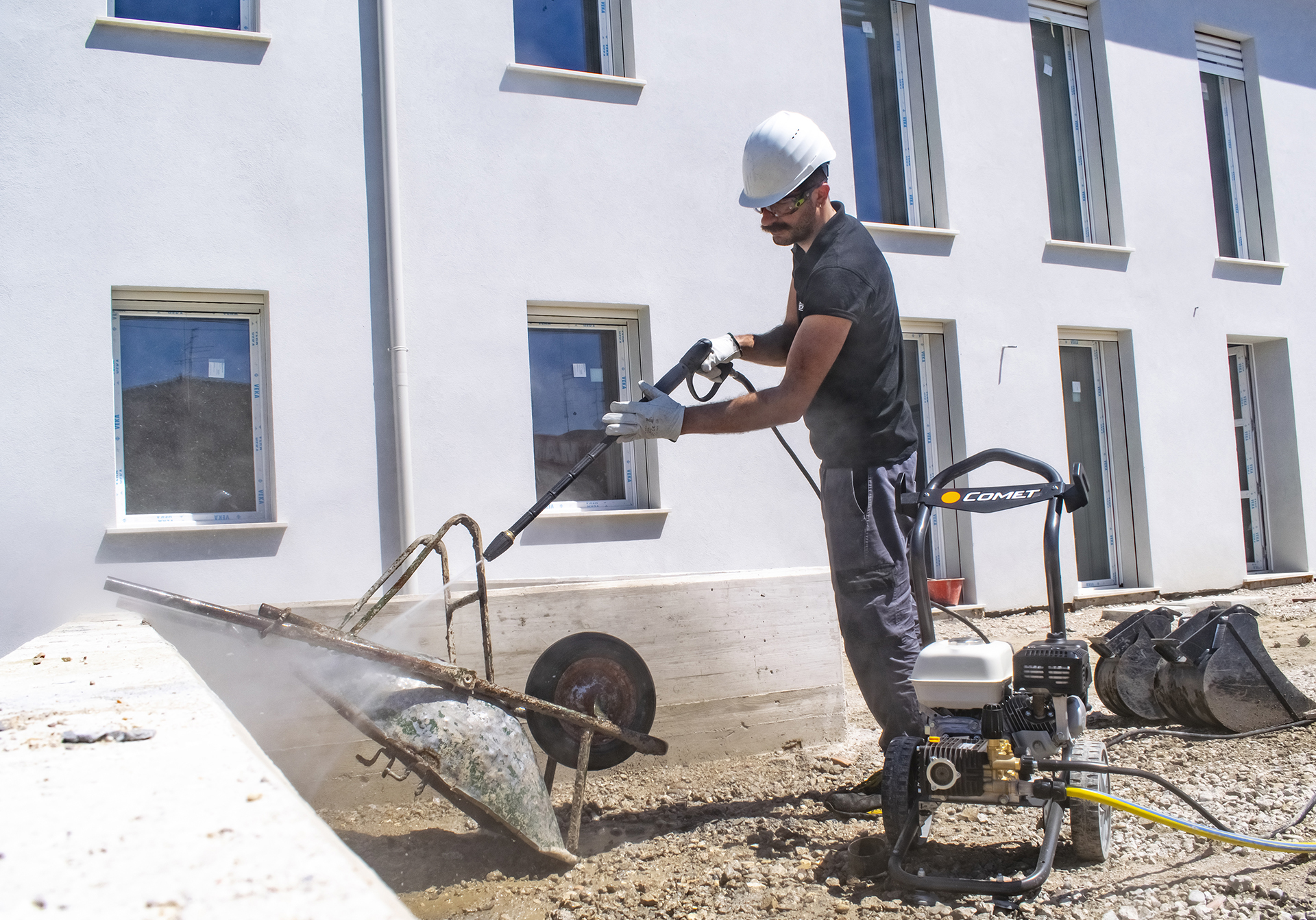
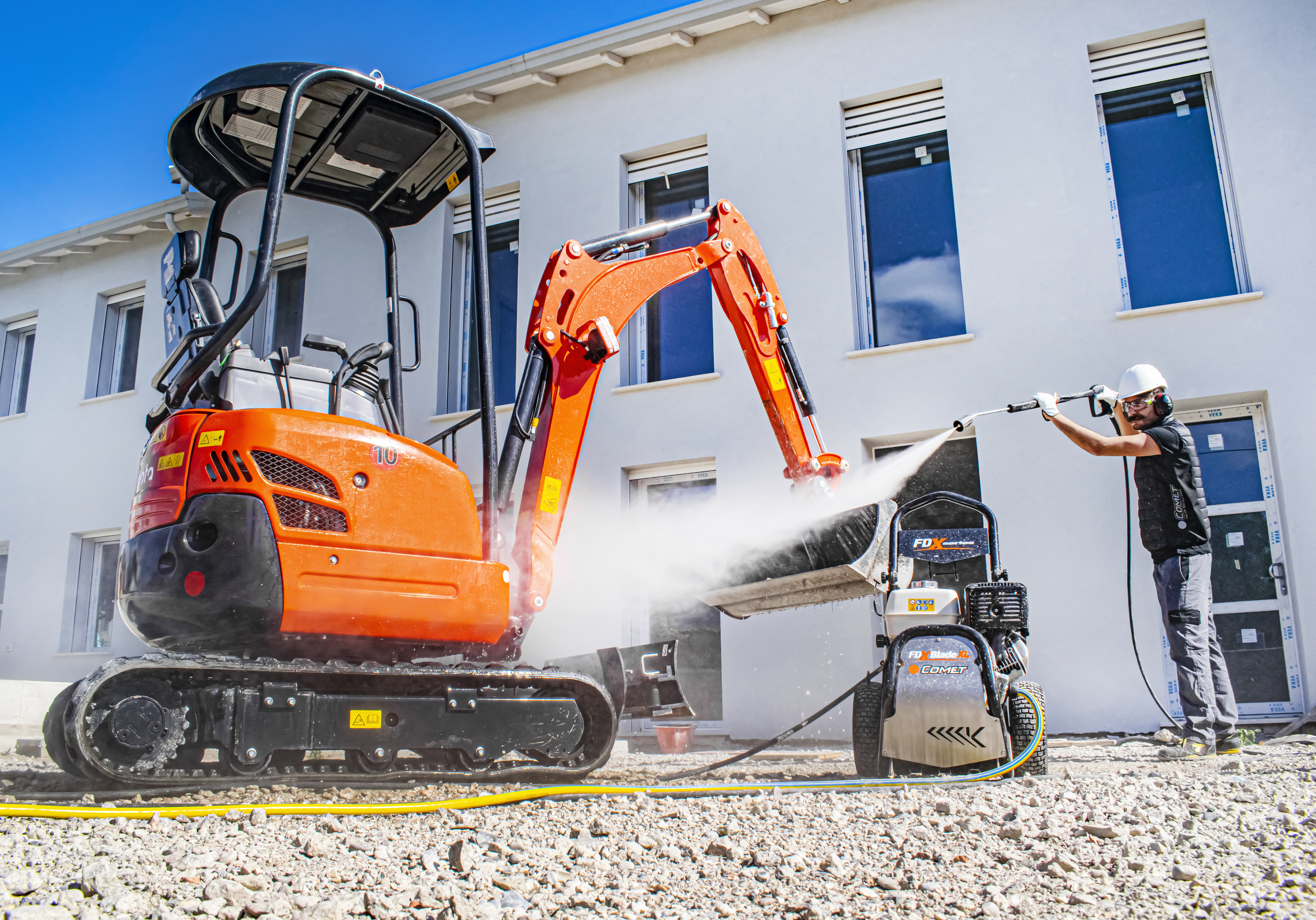
Facades, coatings and flat surfaces must be not only built and finished, but also cleaned of smog, dust and various incrustations. In these cases, in order to speed up the phase of moistening and removal of substances that attack the surfaces, professional pressure washers are available in various powers and of the most suitable size for each space.
Using a pressure washer for such operations means exponentially saving time compared to the use of a simple hose, as well as up to 85% of water used, with a consequent lower impact also for wastewater discharges. This is all possible thanks to the pressure water that, with a few operations, is able to guarantee the same results as would be done by hand and with large quantities of detergents.
THE PRESSURE WASHER FOR RESTORATION AND RENOVATION
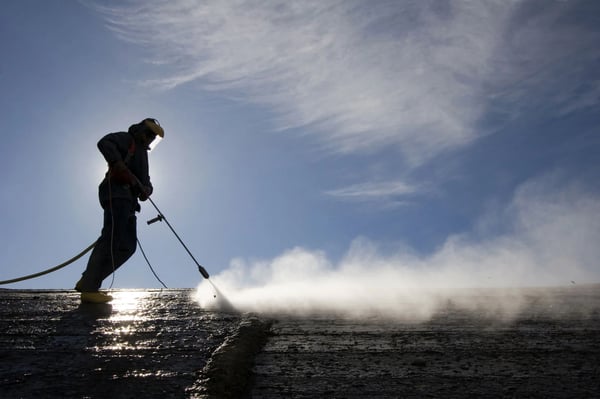
The pump of a pressure washer, thanks to the pressure it generates, makes water a real tool for the restoration and renovation phases, where it is often necessary to remove dirt, incrustations, waxes, greases, paints and oils from structures and facades.
The energy of water sprayed by the pressure washer’s lances and nozzles succeeds in eliminating the crumbling components of old paints and deteriorated parts of masonry and concrete, thus reducing much of the preparatory phase for surface reconstruction.
The power of the pressure washer is also used to roughen the cement immediately after casting and to remove old bitumen layers quickly, efficiently and economically.
SANDBLASTING WITH THE PRESSURE WASHER
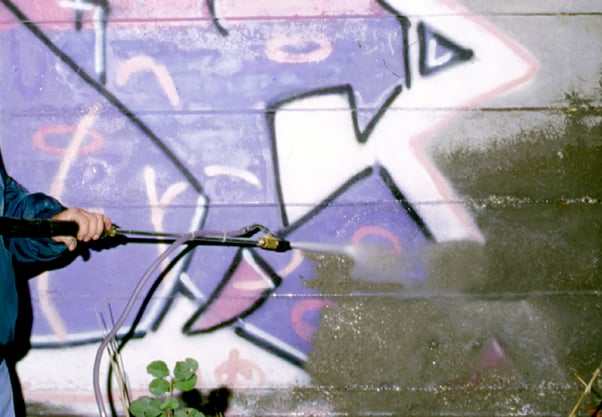
During a renovation work, the sandblasting phase is very often used, both for internal and external walls and for the most various components of a building. The sandblasting process originates from the treatment of the metal surfaces carried out before painting, where the roughening of the metal by “spraying” microscopic powder particles facilitates the grip of the paint to be applied.
These same powders are used, in the same way, to clean metal heaters and handrails, wooden parts and various elements made of granite, marble or stone, both from paint and from the layer of dirt left by smog, fumes and limestone incrustations. By sandblasting, moreover, you can treat the plaster to be restored by contacting and removing only the damaged part, without touching the still intact one, thus saving time and materials.




VACUUM CLEANER FOR CONSTRUCTION SITES
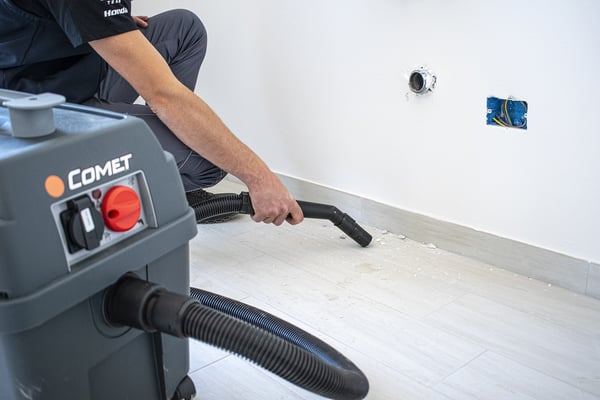
Not only washing and sandblasting, but also suction.
In the building industry, cement dust is unavoidable, with excavations, demolitions and concrete mixers that mix bags of lime and mountains of sand. Breathing problems and lethal diseases such as silicosis are a very high risk for workers. There are special models of vacuum cleaners for these types of hazardous dusts, as well as for vacuuming processing water, sources of pollution and contamination of the environments surrounding the construction sites.
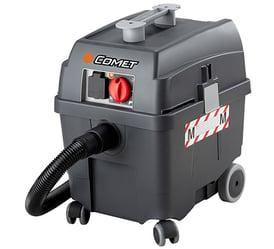
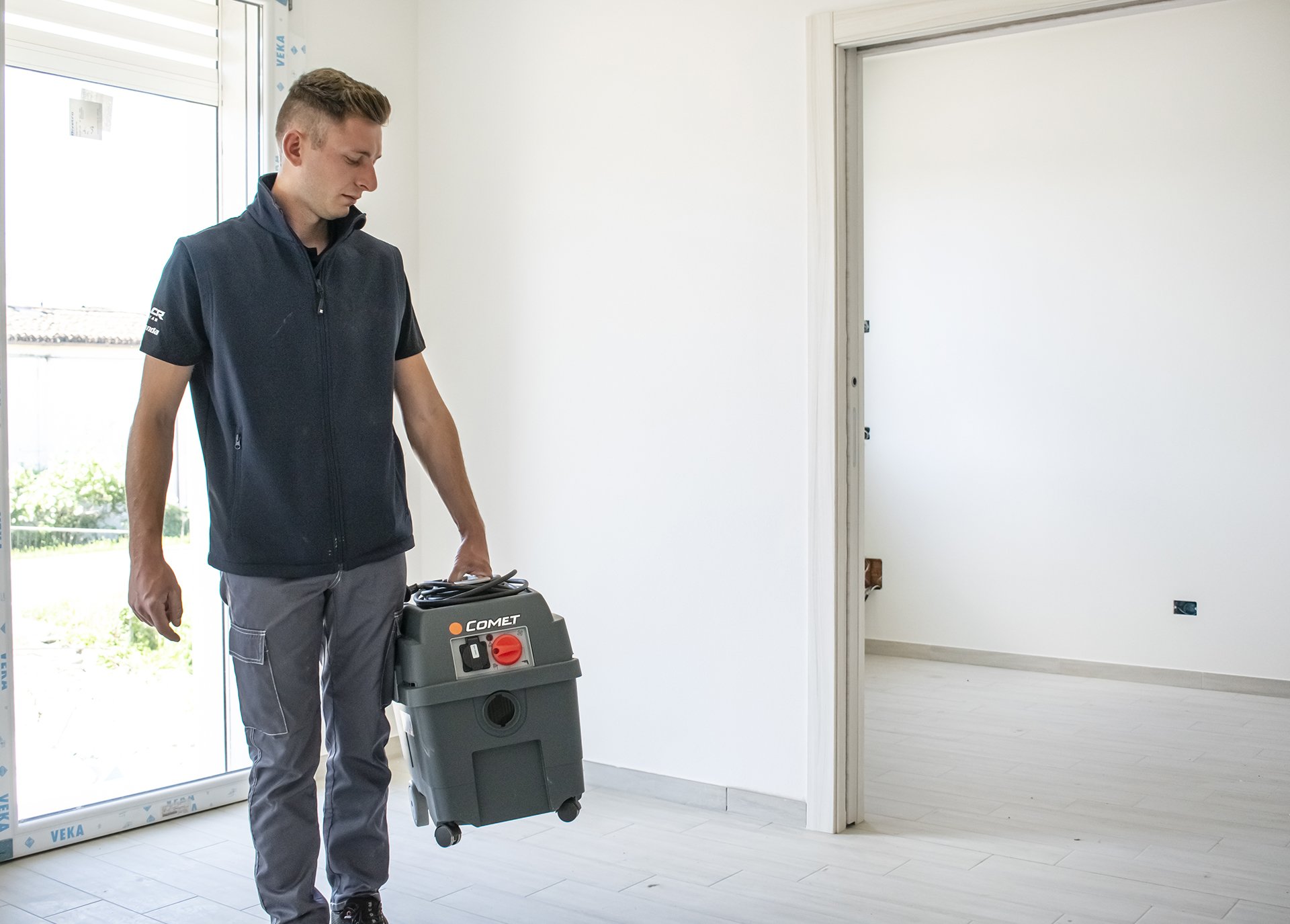
The wide Comet range includes the CVP 130 PEM vacuum cleaner with certification for M-class dust, therefore it is particularly suitable for environments such as carpentries, construction sites, industrial plants, etc..